

Phone Repair Abbotsford Screen, Battery & Software Fix Experts
February 2, 2026
Repair Apple Watch to iPhone Fix Pairing & Connection Issues Fast
February 4, 2026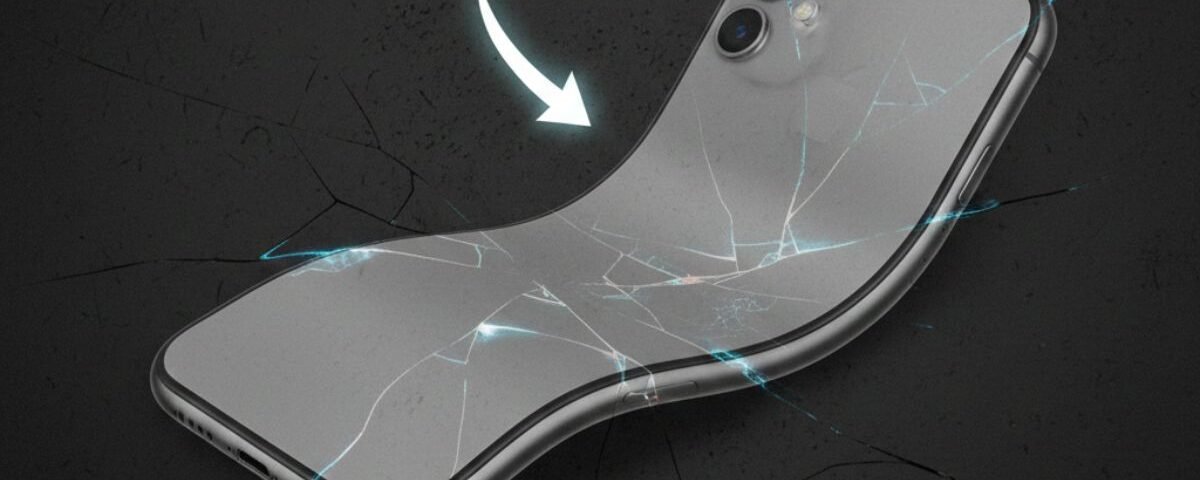
The iPhone bending issue has become a common concern for many users, especially those using larger and slimmer models. While iPhones are designed with premium materials, they can still bend under certain conditions. This problem often develops slowly and may go unnoticed until performance issues appear. A bent iPhone can affect the screen, internal components, and overall usability. Everyday habits like keeping your phone in a tight pocket or applying pressure can contribute to the issue. Ignoring early signs may lead to costly repairs or permanent damage. Understanding why iPhones bend is the first step toward protecting your device. Knowing the signs and safe fixes can help extend your iPhone’s lifespan. This guide explains everything you need to know in simple terms
The Anatomy of Bendgate
So, what was the deal with Bendgate? At the heart of the controversy was the iPhone 6 Plus. Released in 2014, it was Apple’s biggest phone yet. People were excited about the massive screen, but its size and super-thin body came with an unexpected problem.
The main reason the iPhone 6 Plus was prone to bending was its design. It was made from a single piece of aluminum, which sounds strong, but it was actually a softer type of aluminum. Think of it like a chocolate bar. A thick, chunky bar is hard to snap, but a thin one breaks easily.
The iPhone 6 Plus was incredibly thin, and the aluminum shell didn’t have enough internal support, especially around the volume buttons. This created a weak spot. When pressure was applied—like from being in a tight pants pocket—the phone would start to curve. It wasn’t just a minor warp; some phones ended up with a noticeable, permanent bend.
The Consumer Perspective

The story of Bendgate didn’t come from a lab or a tech review. It came from real people, just like you. The first reports started popping up on internet forums.
One user posted a picture of his bent iPhone 6 Plus, explaining that it had been in his front pocket during a long day of driving and dancing at a wedding. He was shocked to find it curved when he took it out.
Soon, his story went viral. The internet exploded. People started using the hashtag #Bendgate on social media to share their own pictures and stories of bent iPhones.
YouTube was flooded with videos of people intentionally trying to bend their new phones to see if the rumors were true. One video, which showed a man bending an iPhone 6 Plus with his bare hands, got millions of views in just a few days. Social media turned this isolated problem into a global phenomenon, putting a huge spotlight on the smartphone bending controversy.
Apple’s Response: Damage Control or Denial?
With the internet buzzing and its shiny new product under fire, Apple had to say something. The company released an official statement, trying to calm everyone down.
They said that with normal use, a bend in an iPhone was “extremely rare.” In fact, they claimed that in the first six days of sales, only nine customers had contacted them about a bent phone.
Apple also insisted that the iPhone 6 and 6 Plus met all of their high-quality standards. They talked about the “rigorous” tests they perform, including sitting on the phones, twisting them, and applying pressure.
According to Apple, their phones were built to endure everyday life. They mentioned using strong materials like stainless steel and titanium to reinforce weak spots.
So, was Apple’s response enough? Many people felt it was a brush-off. While Apple claimed the iPhone bending issue was rare, the countless photos and videos online told a different story. It felt like Apple was downplaying a real design flaw instead of owning up to it.
Book Now: iPhone Overheating Issues Causes, Warning Signs, and Proven Fixes
The Science of Smartphone Durability
While social media was full of dramatic bending videos, credible sources like Consumer Reports decided to investigate using science.
They used a machine to perform a “three-point flexural test.” The phone was supported at both ends, and pressure was applied in the middle. This measured how much force the phone could take before it started to deform or break.
The findings were revealing. The iPhone 6 Plus started to bend at 90 pounds of force and came apart at 110 pounds. The smaller iPhone 6 bent even sooner, at 70 pounds.
By comparison, the Samsung Galaxy Note 3 didn’t start to deform until 150 pounds of pressure. This testing proved that the iPhone 6 Plus was more bendable than its competitors. The iPhone bending issue was not just internet hype—it was a measurable structural weakness.
What Can We Learn from Bendgate?
Bendgate was a tough lesson for Apple, but a valuable one for the smartphone industry. It showed that making phones thinner and lighter cannot come at the cost of strength.
Apple learned quickly. With the iPhone 6S, they switched to 7000 series aluminum, a much stronger material used in the aerospace industry. They also improved the internal design.
Since then, there hasn’t been a widespread iPhone bending issue on the same scale. Bendgate forced Apple to rethink durability, which ultimately benefited users.
What Are the Alternatives to the iPhone 6 Plus?
Although the iPhone 6 Plus is an older model, the Bendgate story still matters. If you’re shopping for a durable phone, especially a used phone in Canada, there are many solid options.
Phones from Samsung, Google, and newer iPhones are built much tougher. Look for frames made from strong aluminum (7000 series) or stainless steel. Gorilla Glass on the front and back also adds protection.
Reading reviews that focus on durability tests helps too. Some devices even meet military-grade standards, meaning they can handle drops and pressure better.
How to Protect Your Smartphone from Bending
No phone is indestructible, but you can reduce the risk.
Avoid carrying your phone in your back pocket. Sitting down applies heavy pressure. Tight front pockets can also be risky. A jacket pocket or bag is safer.
A sturdy case makes a big difference. A rigid case with reinforced corners helps distribute pressure evenly. It may add bulk, but it protects your investment.
If your phone does bend, don’t try to fix it yourself. You could damage the screen or battery. Always visit a professional repair shop.
Conclusion
The iPhone bending issue is more common than many users realize and can happen due to daily use habits. While minor bends may seem harmless, they can lead to serious internal damage over time. Recognizing the signs early can help prevent further problems. Using protective cases and avoiding pressure are simple but effective prevention methods. If your iPhone is already bent, professional repair is always the safest solution. Taking proper care of your device ensures better performance and a longer lifespan.
